
Ciao, Fellow Adventurers!
Are you dreaming of a classic Italian road trip, cruising through the rolling hills of Tuscany or exploring the stunning Amalfi Coast at your own pace? It's a fantastic way to experience Italy, offering a level of freedom and flexibility that trains simply can't match.
But we know you might have some questions. Driving in Italy can seem a little intimidating, especially with different rules, road signs, and a different driving culture. At Trayectis, we're a multicultural team that understands these concerns firsthand. We've put together this guide to answer all your questions and show you just how easy and enjoyable an Italian road trip can be with the right partner.
1. Getting Your License and Documents in Order
First things first: the paperwork. This is a common point of confusion for U.S. travelers, but it's simple to sort out.
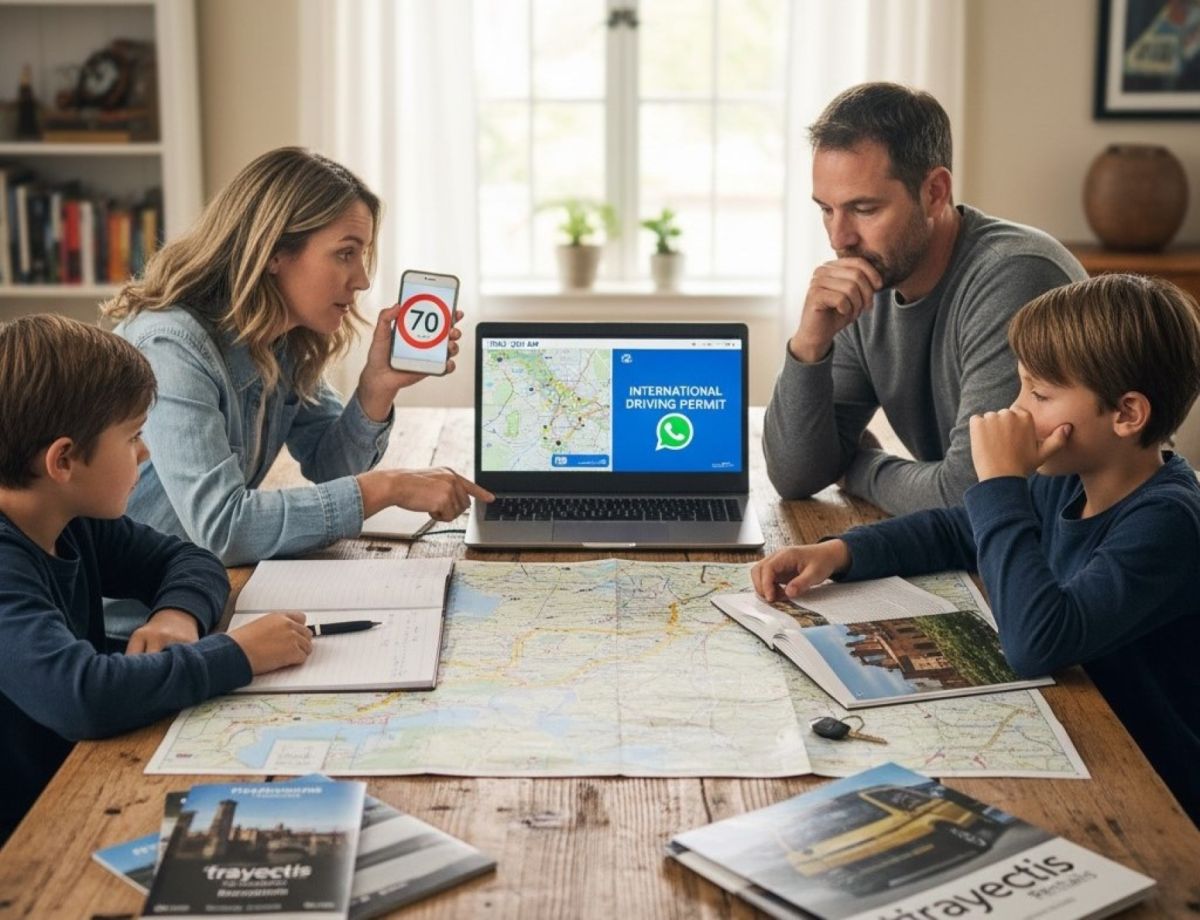
- The International Driving Permit (IDP): This is the most crucial document you need. Your U.S. driver's license alone is not legally recognized in Italy. The IDP is a small booklet that translates your U.S. license into 10 languages and is required by law. You must carry both your valid U.S. driver's license and the IDP at all times. The good news? It's easy to get. You can apply for one through AAA or AATA before you leave the U.S.
- Other Documents: Make sure you have your passport and a copy of your car rental agreement with you. You just need to have a digital copy in PDF format on your smartphone and show it in case of police checks.
2. Understanding the "ZTL" — Your #1 Priority
If there's one thing you need to know about driving in Italy, it's the Zona a Traffico Limitato (ZTL).
- What is a ZTL? It's a Limited Traffic Zone, found in the historic centers of almost every Italian city and town (including places like Florence, Rome, Milan, and Siena). These areas are off-limits to most vehicles, usually to preserve historical areas and reduce pollution.
- How Do They Work? The ZTL is strictly enforced by cameras that automatically take a picture of your license plate upon entry. If you enter without a special permit, a hefty fine will be mailed to you, sometimes months after your trip.
- Our Advice: When exploring a city, park your minivan at a dedicated parking garage outside the ZTL and use public transport to get around.
Be careful not to enter lanes reserved for public transport! In most Italian cities, there are preferential lanes reserved exclusively for public transport, such as taxis, buses, trams, etc.
3. Manual vs. Automatic: What to Expect
U.S. drivers are used to a sea of automatic cars, but in Italy, manual transmission is standard for most rental fleets.
- Book Your Automatic Early: If you don't know how to drive a stick shift, it's essential to request an automatic vehicle when you book. These are in high demand and often sell out, especially in summer.
- Trayectis's Advantage: Our minivan fleet includes only spacious automatic models, so you can book with confidence.
4. Conquering Italian Roads and Navigation
Italian roads are well-maintained and a pleasure to drive, once you get the hang of them.
Road types:
- Autostrade (A): The highways. They're fast, well-paved, and have tolls
- Strade Statali (SS): State roads. Well-paved, maybe a bit slower, but offer beautiful scenic views
- Strade Provinciali: Rural roads, mainly paved. Perfect for exploring the countryside and finding hidden gems
GPS is your best friend. A reliable GPS is essential. At Trayectis, all our minivans have a GPS navigator included.
5. Parking and Fueling
Parking (Parcheggio): Finding a spot in cities can be a challenge. Look for parking garages or lots with:
- Blue lines: paid parking
- Yellow lines: for residents, handicapped parking, and public transportation
- White lines: free parking
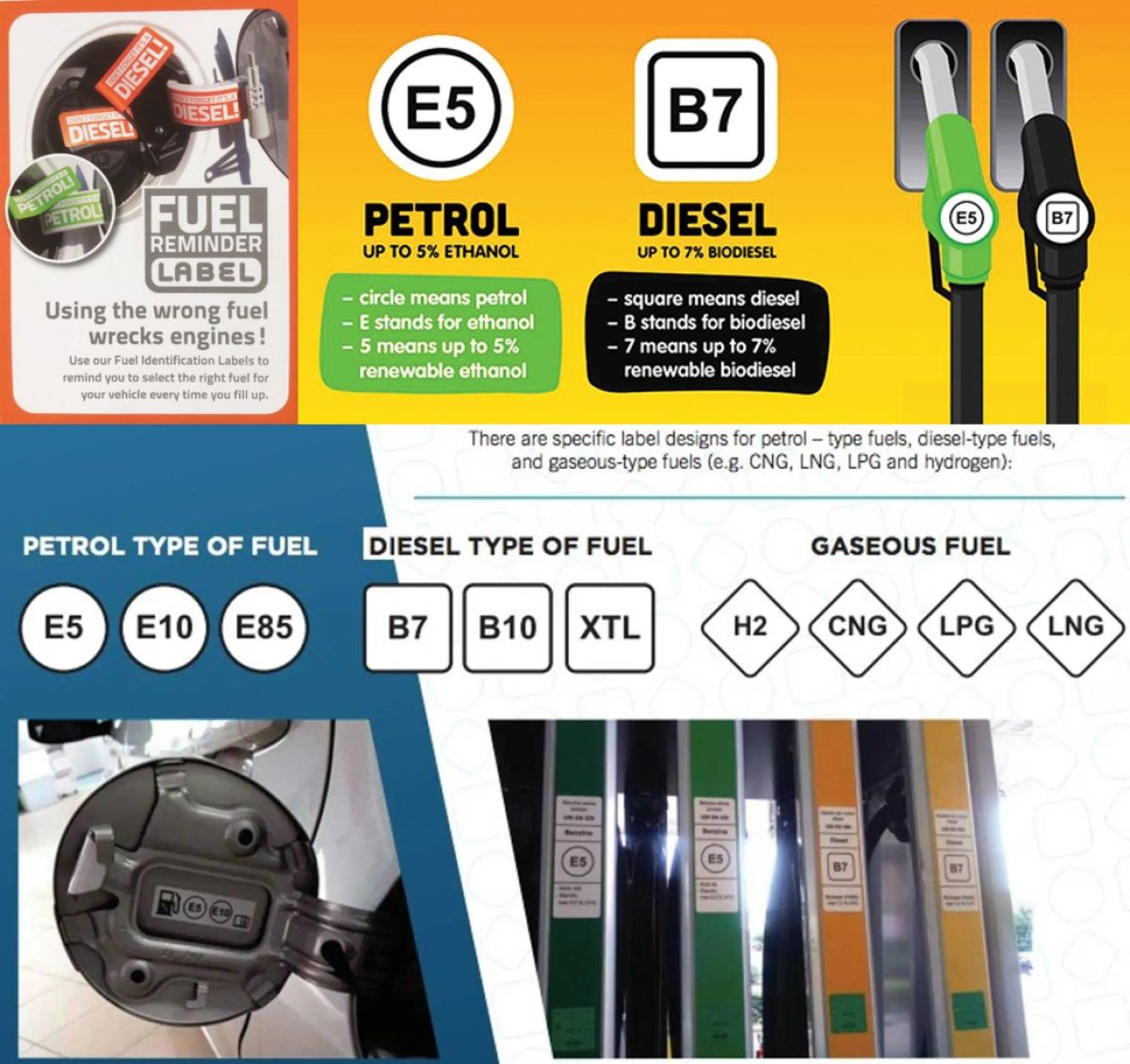
Fueling (Benzina or Diesel): Gas stations are common and easy to use. The pumps will be marked Benzina (gasoline), Gasolio (diesel), and GPL or Metano (LPG or CNG). You can either pump your own (fai da te) or have an attendant help you (servito).
6. Adapting to the Driving Style
Italian drivers might seem assertive at first, but it's just their way of keeping traffic flowing.
- Stay Alert: Be ready for sudden stops or quick maneuvers
- Don't Be Shy with the Horn: A quick tap on the horn is often a friendly warning to other drivers, not an aggressive gesture
- Embrace the Flow: The key is to be confident and adapt to the pace of traffic
7. Health and Peace of Mind
If an American tourist is hospitalized in Italy, they will receive urgent and essential medical care, paying the regional rates set for non-EU citizens. Travel insurance is not just a good idea—it's essential. Your domestic health insurance plan may not be valid outside the United States.
Before your trip, we highly recommend purchasing a comprehensive travel insurance policy.
Why Choose Trayectis for Your Italian Road Trip?
Your trip to Italy should be about enjoyment, not stress. We've designed our service with you in mind:
- The Right Vehicle for the Job: Our minivans are comfortable and spacious, offering the perfect balance of roominess for passengers and luggage
- Personalized Service and Communication: We are a multicultural team that understands your questions and concerns
- Direct WhatsApp Support: Got a question about a ZTL sign? Need a recommendation for a great local restaurant? Our team is just a WhatsApp message away
- Accessories for Your Adventure: We offer all the necessary accessories to make your trip a breeze, from GPS and Wi-Fi to child seats and portable coolers
- Easy Booking: We've made our booking process simple and transparent
An Italian road trip is an adventure of a lifetime. With a little preparation and a trusted partner like Trayectis, you can unlock the full beauty of this amazing country, one scenic road at a time.
Contact us at Trayectis and let your adventure begin with the freedom and confidence that only your minivan can provide!